
Neurological & Balance Rehabilitation · Lake Stevens
Conditions that affect the brain, nerves, or balance can change how you move and how steady you feel. Our neurological and balance rehabilitation helps you retrain movement, improve stability, and work toward greater independence in daily life.
Concerned about balance, falls, or movement after a neurological condition? Call our clinic and we can help you understand your options.
Our approach
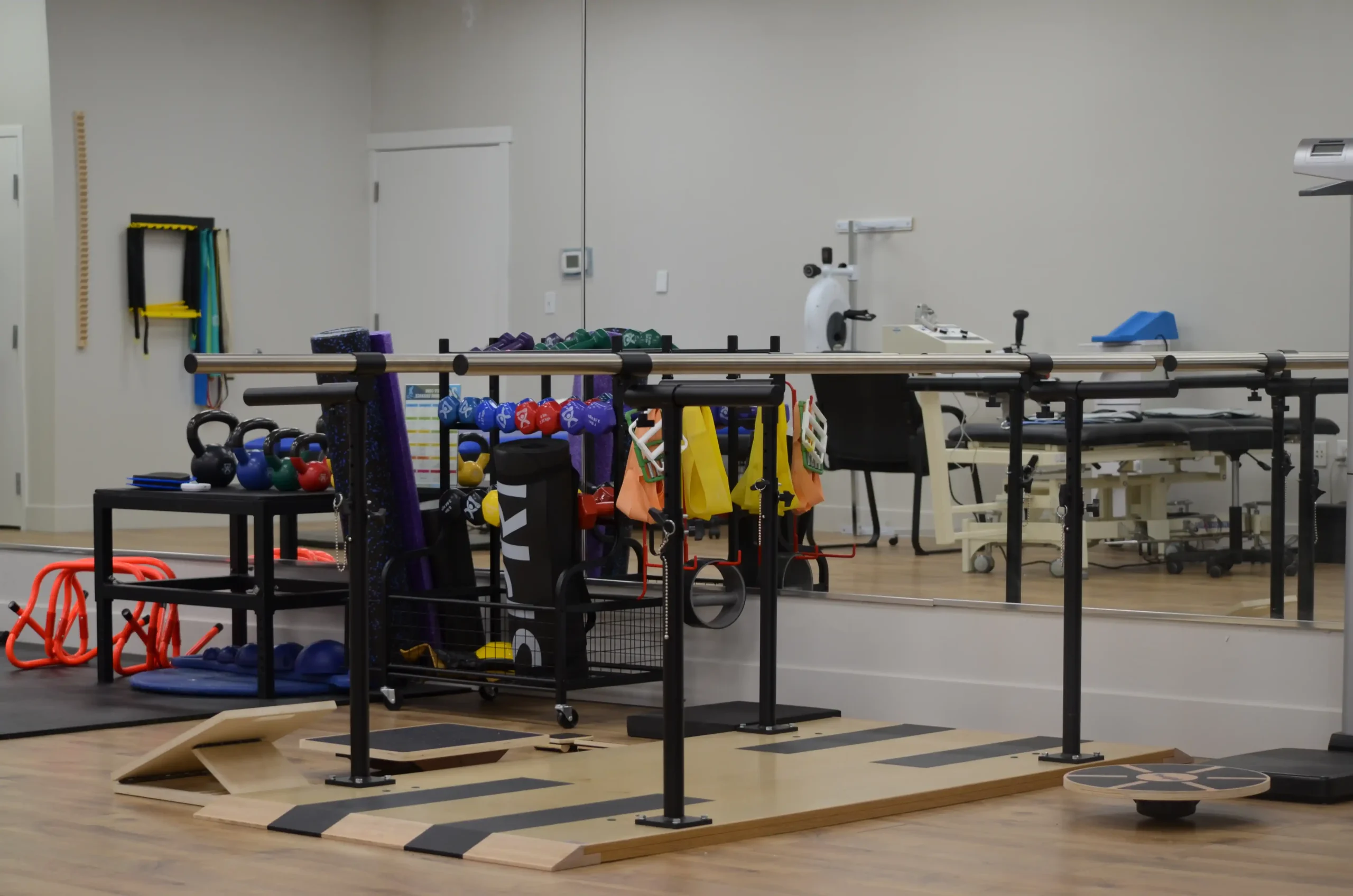
Recovery after a neurological condition looks different for everyone. Care at iCURE begins with a careful evaluation of your movement, balance, strength, and the activities that have become difficult, so your plan fits your goals and your situation.
From there we use guided, repetitive practice to help retrain movement and improve stability, adjusting as you progress. You work directly with a licensed physical therapist, and when appropriate we coordinate with your physician or care team.
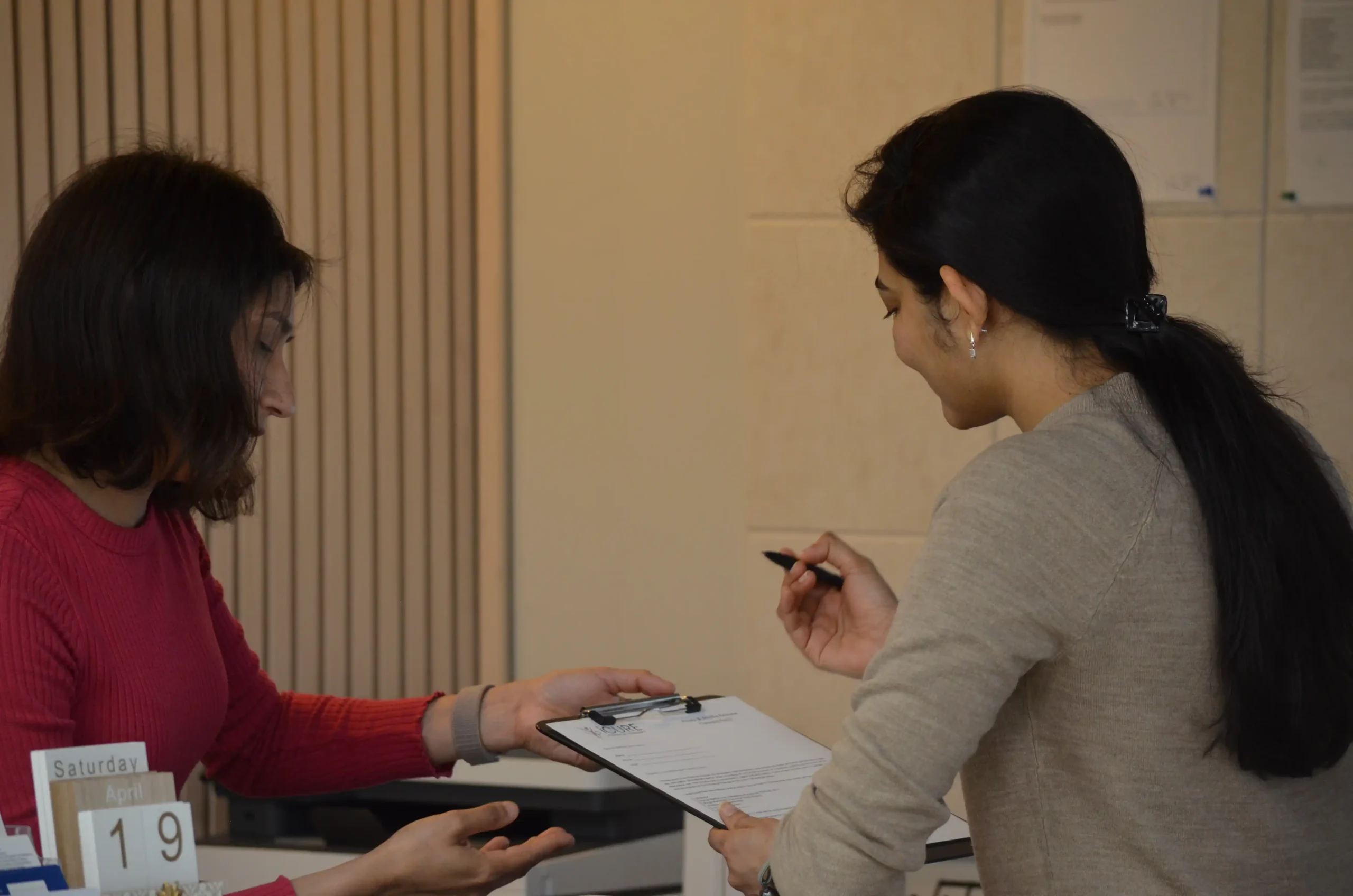
Your plan is based on your evaluation and adjusted to your goals and progress.
We support people with a range of neurological and balance conditions. Your therapist will confirm the right plan for your situation.
Evaluate movement, balance, strength, and the tasks that have become difficult.
Use guided, repetitive practice to improve movement, stability, and control.
Build toward safer, more independent daily activity.
Progress depends on your condition, its complexity, your health, and your response to treatment, and it may develop gradually over time.
Neurological care often involves several providers. When it would support your care, we coordinate with your physician, neurologist, or other members of your team and follow relevant medical guidance.
If your symptoms change or suggest a concern outside the scope of physical therapy, we will explain the recommendation and help you understand the next step.
It may. Guided, repetitive practice can help many people improve movement and balance. Your evaluation determines whether physical therapy is appropriate and what to focus on for your situation.
Yes. Reducing fall risk is a central goal. We work in a safe, supported way and use assistive devices when they are helpful.
Your therapist evaluates your movement and balance and will discuss whether physical therapy is appropriate or whether further medical evaluation is recommended first.
It varies widely by condition and often develops gradually. After your evaluation we can discuss reasonable expectations and review them as you progress.
Yes. When it supports your care, we coordinate with your care team and follow relevant medical guidance.
Find new-patient forms, insurance and referral information, clinic hours, and directions.
Tell us what has become difficult, and we will help you understand whether physical therapy may be appropriate and what to do next.
Request an Evaluation
Prefer to talk? Call 425-458-7261